| Topic | Details |
|---|---|
| Common Name | Hummingbird |
| Scientific Family | Trochilidae |
| Kingdom | Animalia |
| Phylum | Chordata |
| Class | Aves |
| Order | Apodiformes |
| Family | Trochilidae |
| Type | Bird |
| Conservation Status | Varies by species; most are Least Concern, while some are threatened or endangered |
| Lifespan | Typically 3–5 years in the wild; some species can live over 10 years |
| Size | 5–23 cm (2–9 inches) long, depending on the species |
| Weight | 2–20 grams (0.07–0.7 ounces) |
| Habitat | Forests, woodlands, gardens, meadows, and tropical rainforests |
| Geographic Range | North America, Central America, South America, and the Caribbean |
| Diet | Nectar, insects, spiders, and tree sap |
| Main Food Source | Flower nectar |
| Predators | Snakes, hawks, cats, spiders, and larger birds |
| Speed | Can fly up to 50 km/h (31 mph) during normal flight; faster during courtship dives |
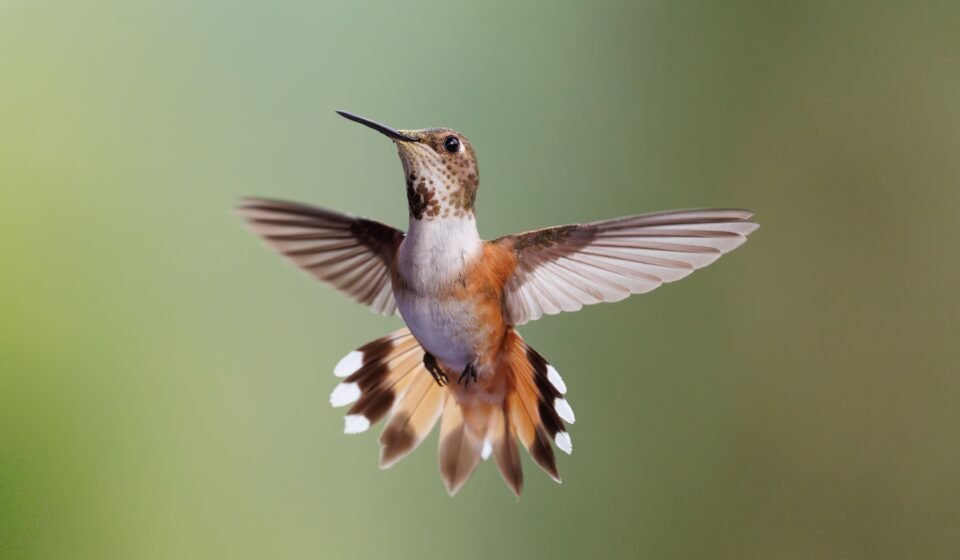
| Flight Ability | Can hover in place and fly forward, backward, sideways, and upside down briefly |
| Wing Beats | 50–80 beats per second, depending on the species |
| Heart Rate | Up to 1,260 beats per minute during activity |
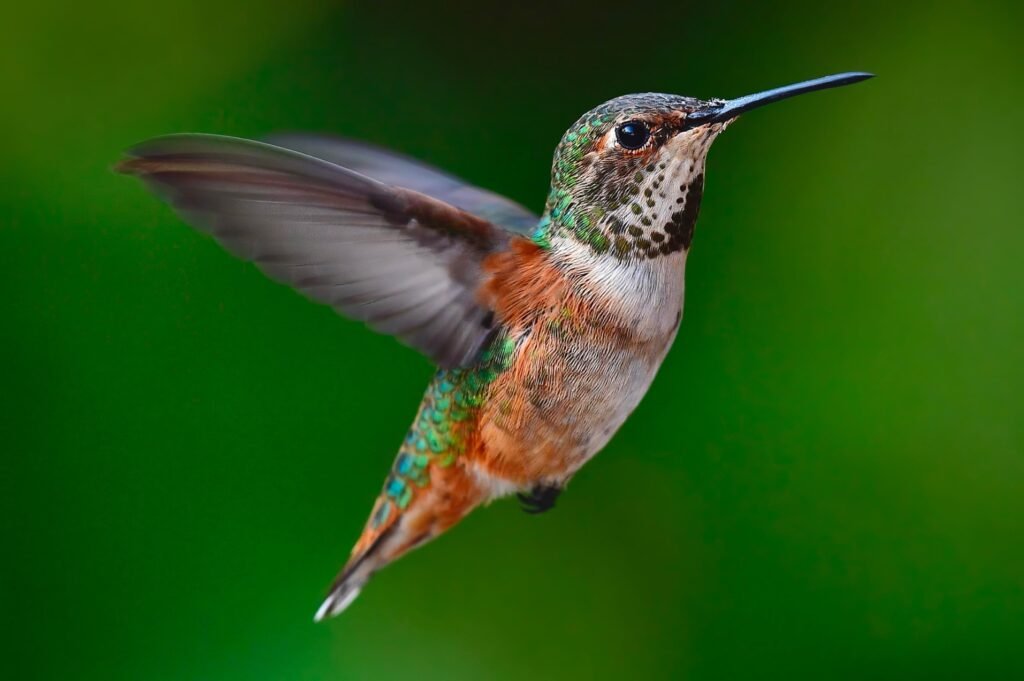
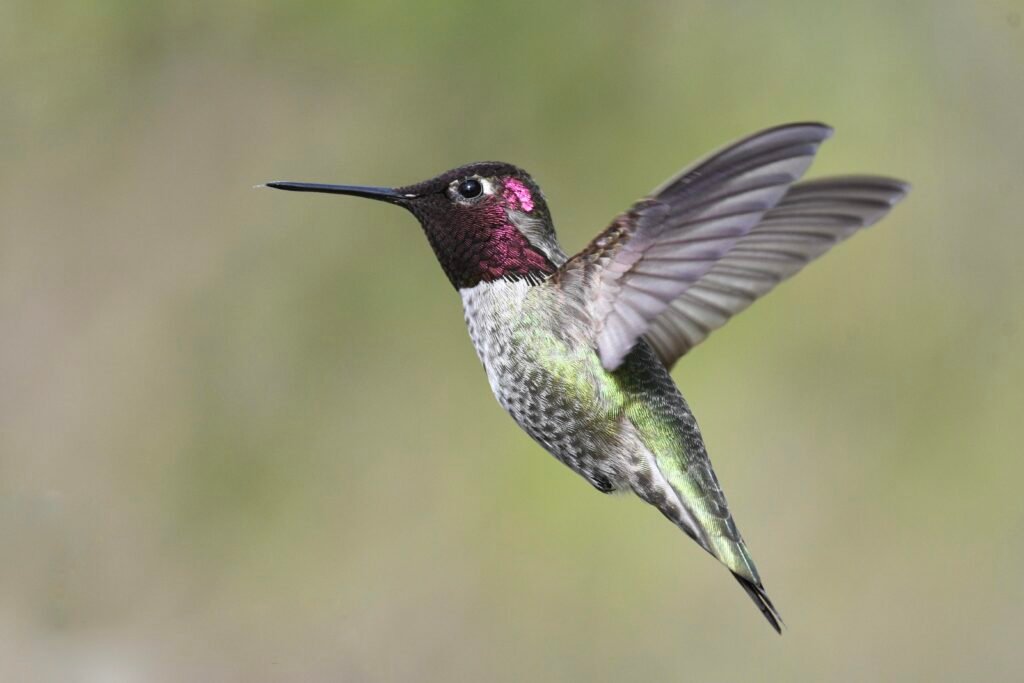
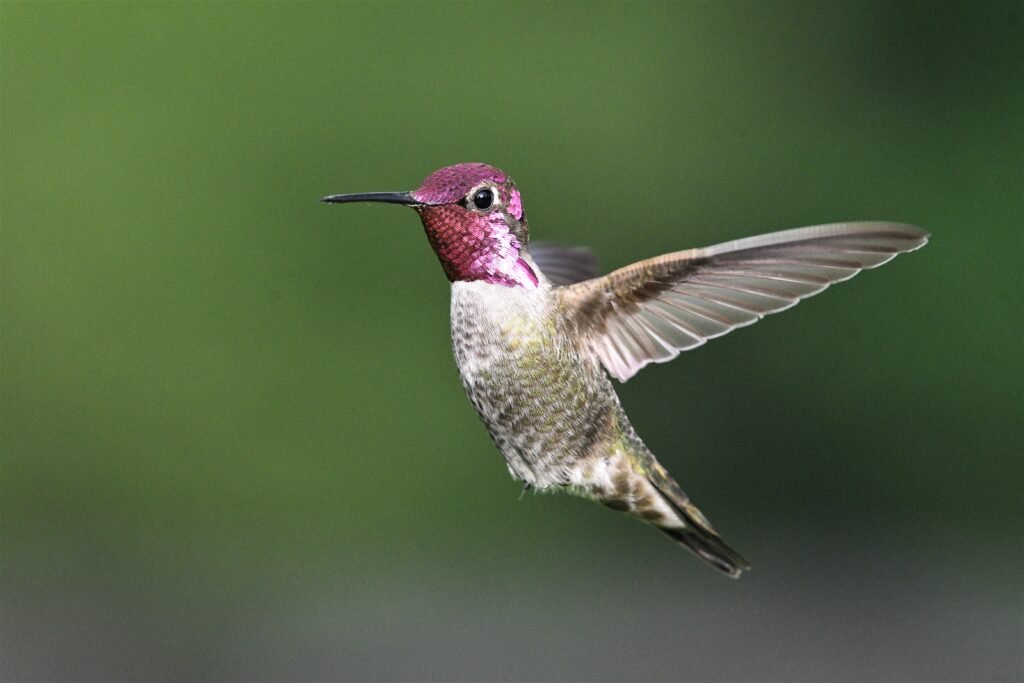
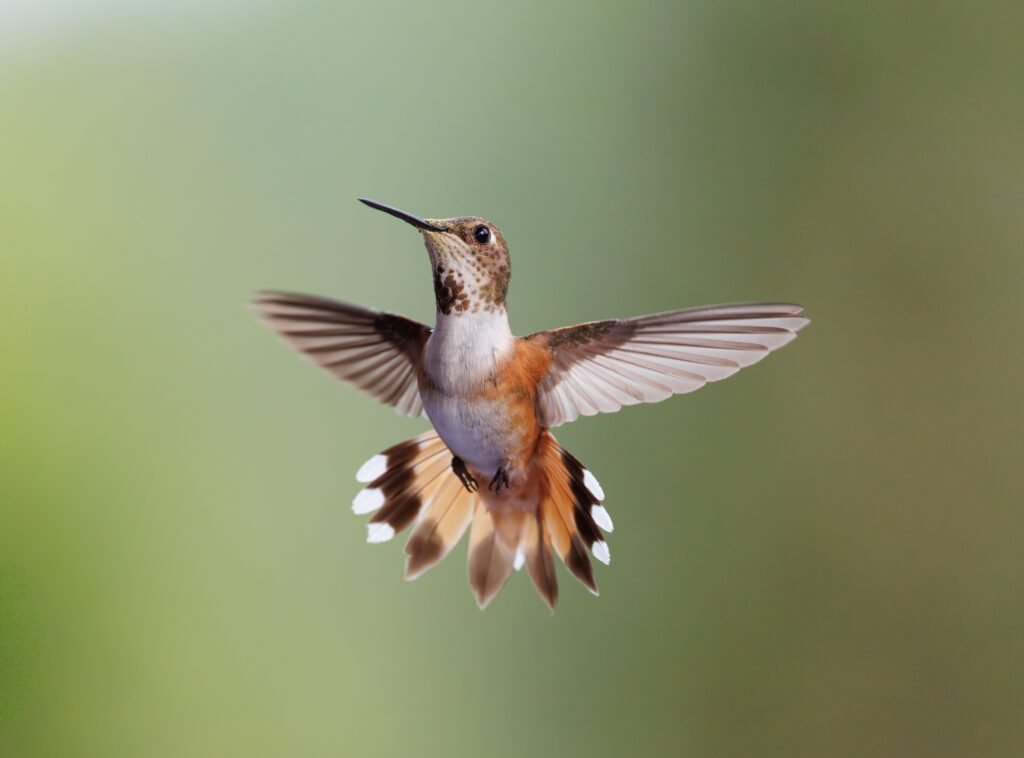
| Body Features | Small body, long slender bill, iridescent feathers, and rapid wing movement |
| Reproduction | Females build small cup-shaped nests and usually lay 1–3 eggs |
| Migration | Many species migrate long distances between breeding and wintering grounds |
| Number of Species | More than 360 recognized species |
| Largest Species | Giant Hummingbird (Patagona gigas) |
| Smallest Species | Bee Hummingbird (Mellisuga helenae), the world’s smallest bird |
| Unique Adaptations | Specialized tongue for nectar feeding and exceptional hovering ability |
| Ecological Importance | Important pollinators for many flowering plants |
| Interesting Fact | Hummingbirds are the only birds capable of sustained backward flight. |