| Topic | Details |
|---|---|
| Common Name | Cheetah |
| Scientific Name | Acinonyx jubatus |
| Kingdom | Animalia |
| Phylum | Chordata |
| Class | Mammalia |
| Order | Carnivora |
| Family | Felidae |
| Genus | Acinonyx |
| Species | A. jubatus |
| Type | Mammal |
| Conservation Status | Vulnerable |
| Lifespan | 10–12 years in the wild; up to 17 years in captivity |
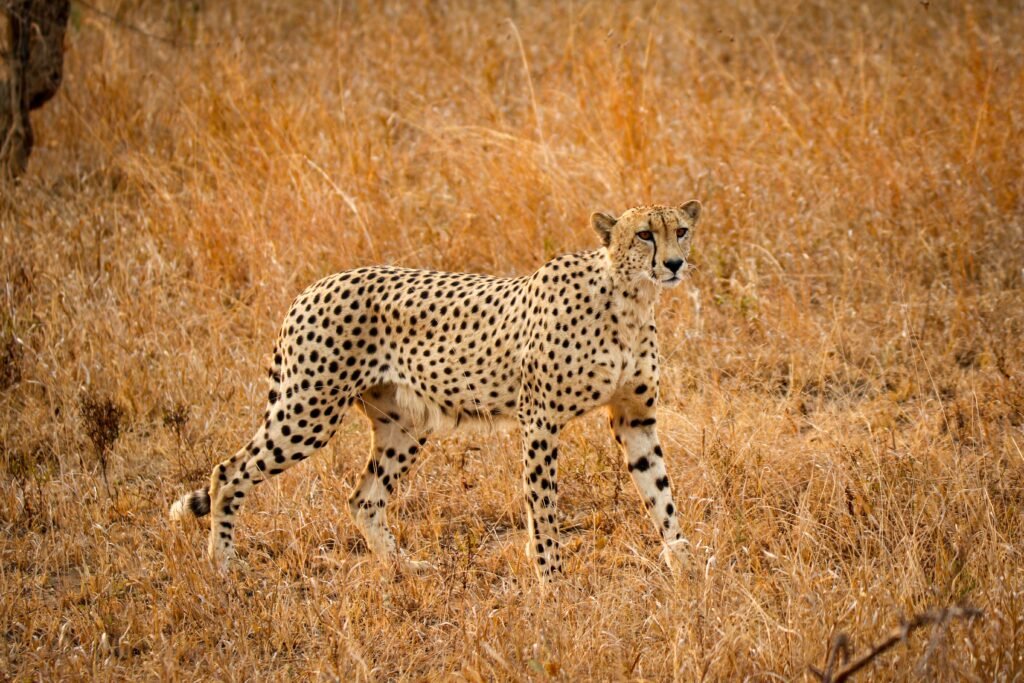
| Average Length | 1.1–1.5 m (3.6–4.9 ft) body length; tail adds 60–80 cm (24–31 in) |
| Average Weight | 21–72 kg (46–159 lbs) |
| Height | 67–94 cm (26–37 in) at the shoulder |
| Habitat | Grasslands, savannas, dry forests, and open plains |
| Geographic Range | Primarily Sub-Saharan Africa, with a small population in Iran |
| Diet | Carnivorous |
| Main Prey | Gazelles, impalas, hares, young wildebeests, and small antelopes |
| Predators | Lions, leopards, hyenas, and humans |
| Top Speed | Up to 112 km/h (70 mph) in short bursts |
| Hunting Style | Daytime hunter that relies on speed and agility to catch prey |
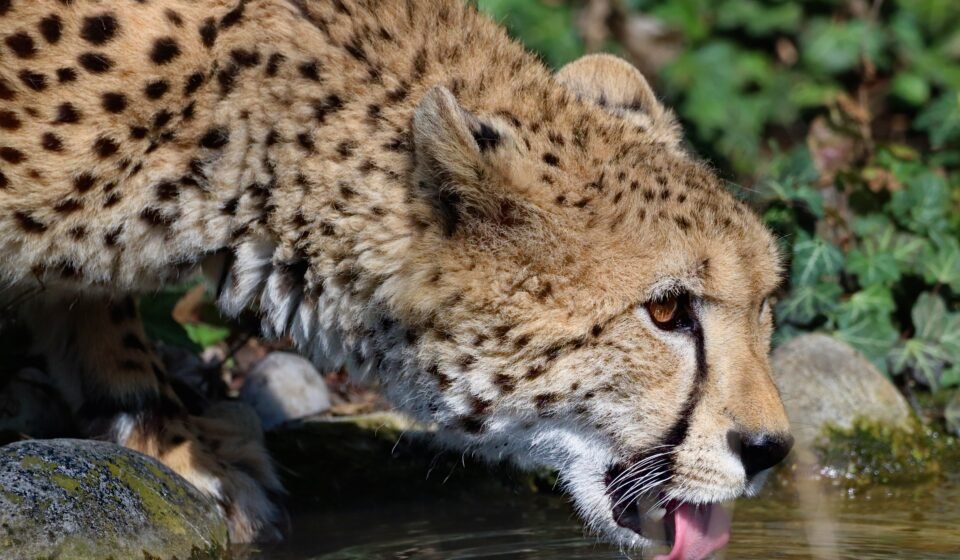
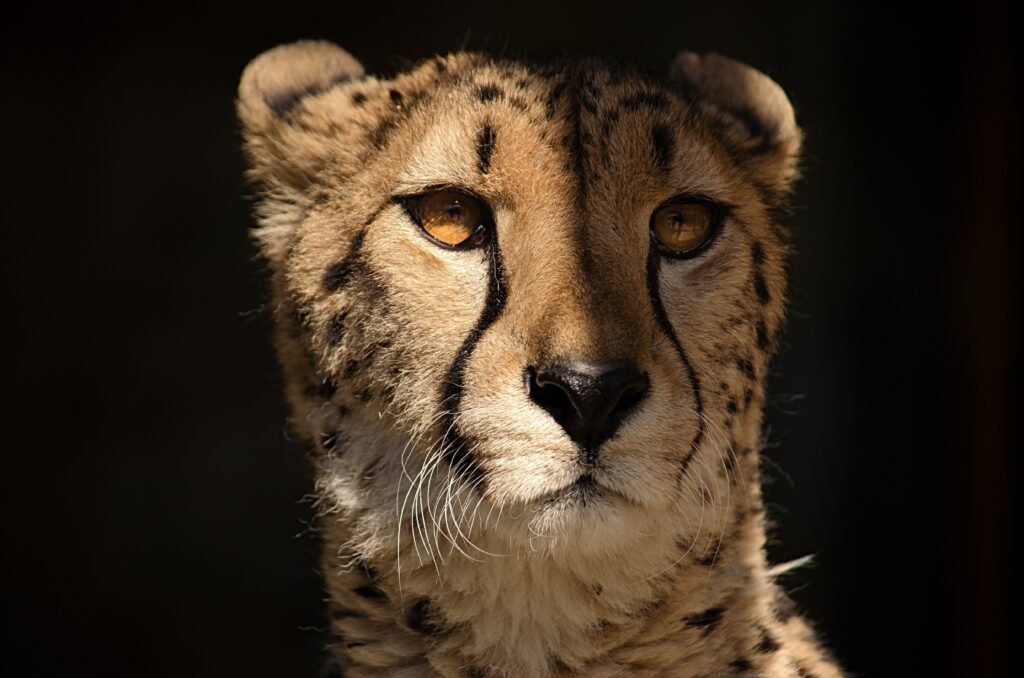
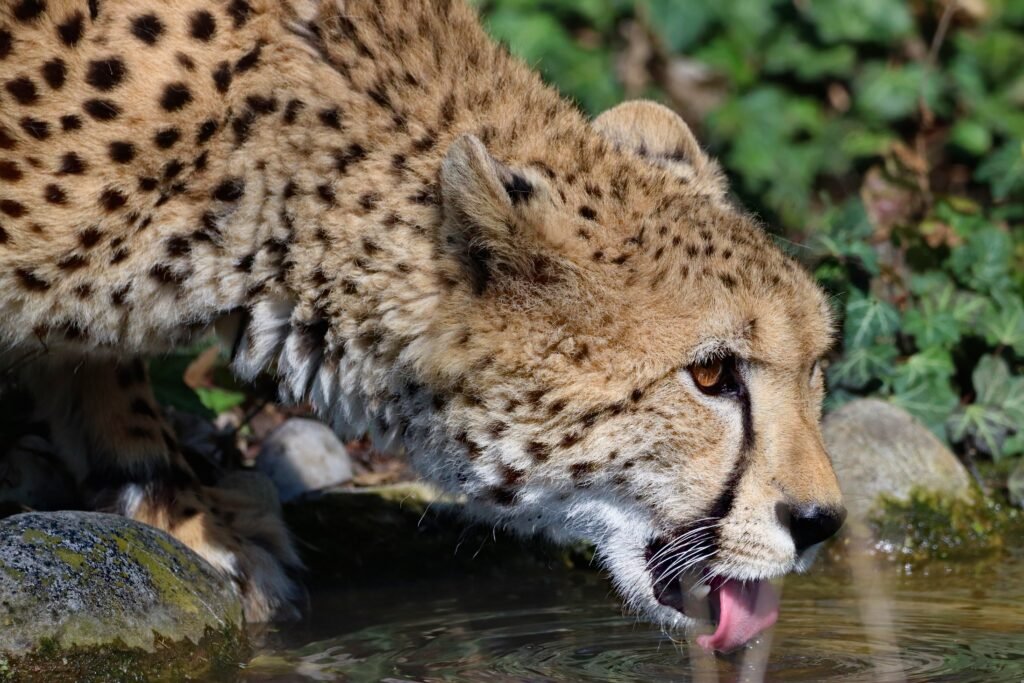
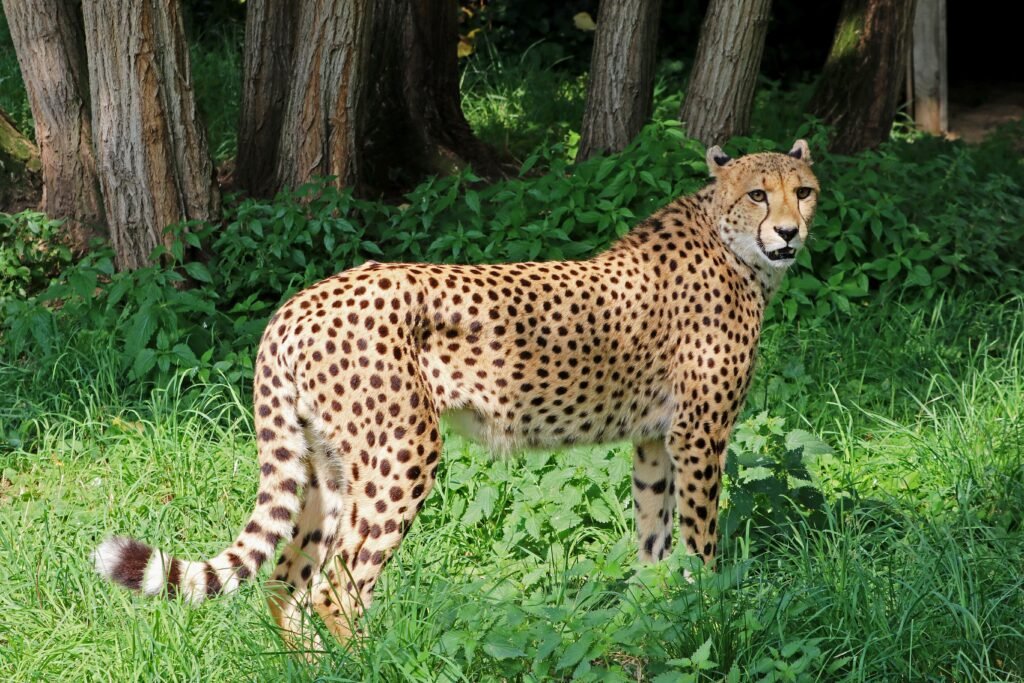
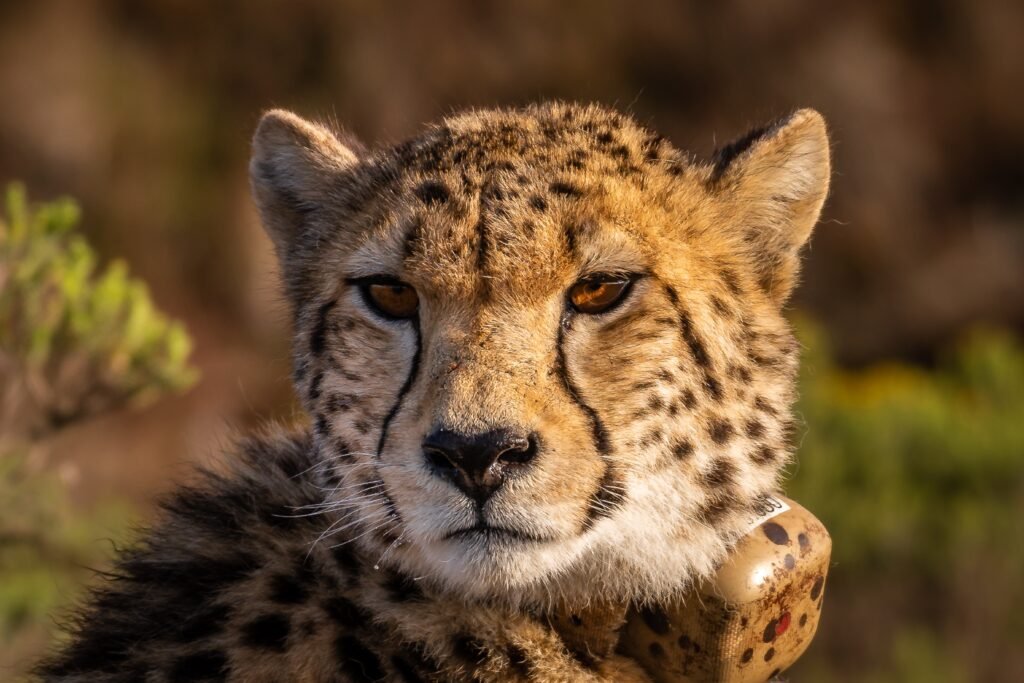
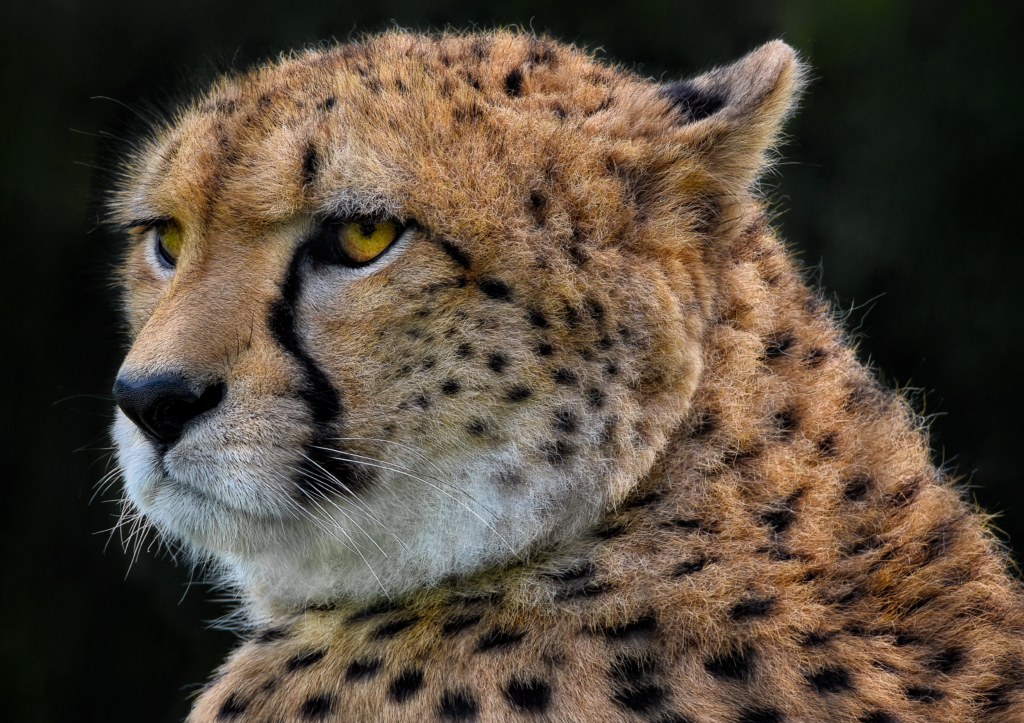
| Body Features | Slim body, long legs, deep chest, spotted coat, and distinctive black tear marks on the face |
| Vision | Excellent eyesight adapted for spotting prey at long distances |
| Reproduction | Females usually give birth to 3–5 cubs after a gestation period of about 90–95 days |
| Social Behavior | Females are mostly solitary; males may form small groups called coalitions |
| Communication | Uses chirps, purrs, growls, and hisses rather than loud roars |
| Number of Subspecies | Several recognized subspecies, including the Asiatic and Southeast African cheetahs |
| Ecological Role | Helps maintain healthy prey populations and ecosystem balance |
| Major Threats | Habitat loss, human-wildlife conflict, illegal wildlife trade, and declining prey populations |
| Interesting Fact | The cheetah is the fastest land animal on Earth and can accelerate from 0 to 96 km/h (60 mph) in about 3 seconds. |