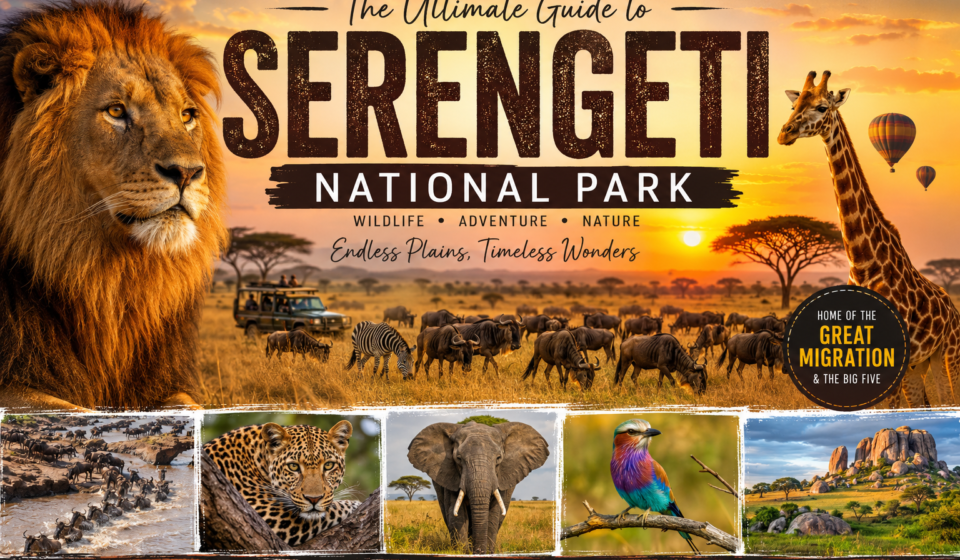
Experience endless golden plains, the world’s largest wildlife migration, and unforgettable African safaris.
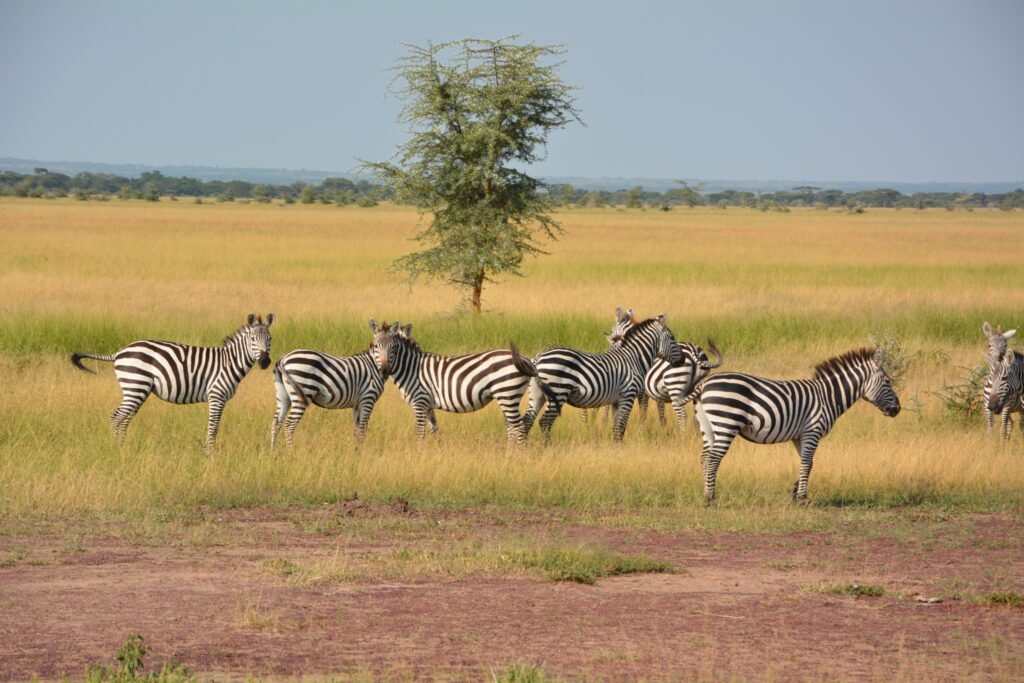
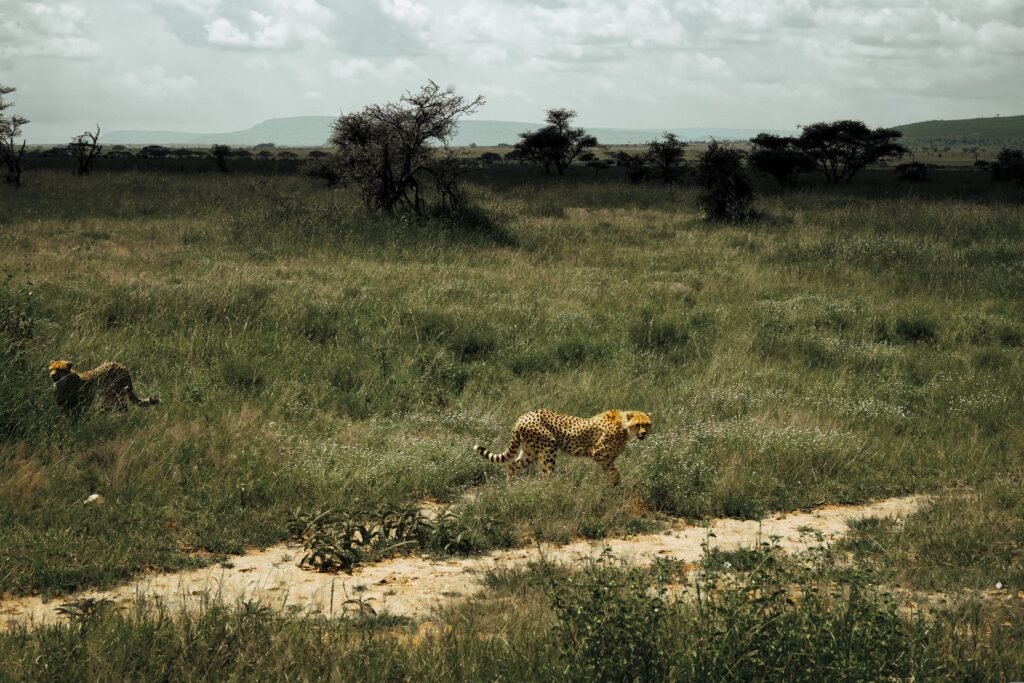
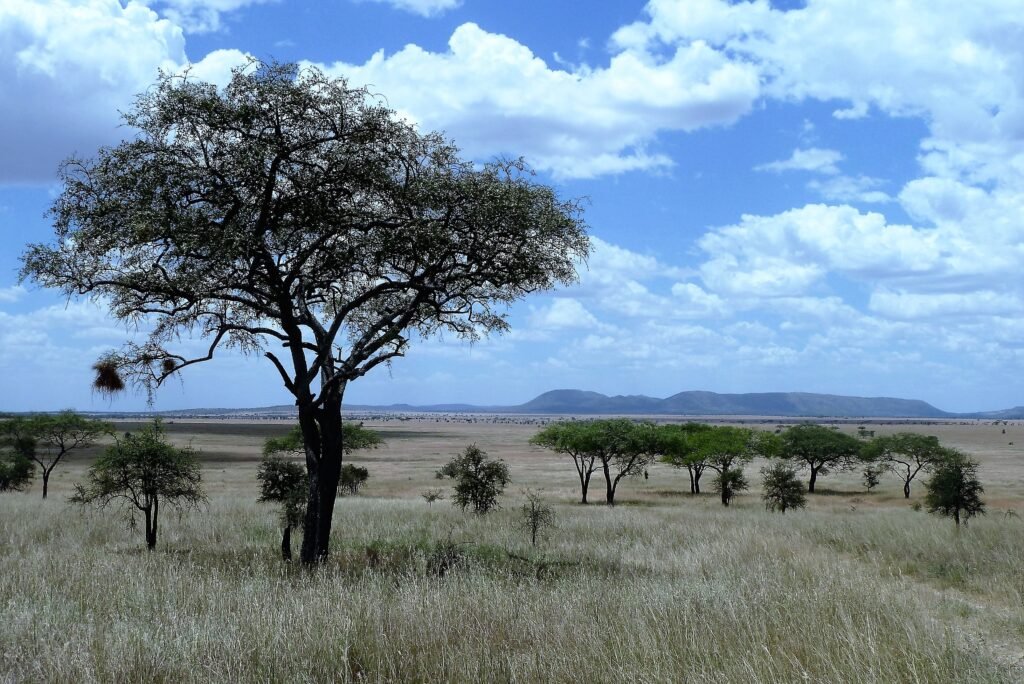
Serengeti National Park is one of the world’s most celebrated wildlife destinations and a dream location for nature lovers, photographers, and adventure seekers. Located in northern Tanzania, the park is famous for its vast grasslands, incredible biodiversity, and the spectacular Great Migration, where millions of animals travel across the plains in search of fresh grazing.
Covering approximately 14,763 square kilometers (5,700 square miles), Serengeti is one of Africa’s largest protected ecosystems. The name “Serengeti” comes from the Maasai word “Siringet,” meaning “endless plains,” perfectly describing the park’s breathtaking landscape.
Recognized as a UNESCO World Heritage Site, Serengeti National Park represents one of the oldest and most intact ecosystems on Earth, where natural ecological processes have remained largely unchanged for millions of years.
Quick Facts About Serengeti National Park
| Feature | Details |
|---|---|
| Country | Tanzania |
| Region | Northern Tanzania |
| Area | 14,763 sq km |
| Established | 1951 |
| UNESCO Status | World Heritage Site (1981) |
| Best Known For | The Great Migration |
| Famous Animals | Lions, elephants, leopards, cheetahs, rhinos, buffalo |
| Best Time to Visit | June to October (dry season) |
Where Is Serengeti National Park?
Serengeti National Park is located in northern Tanzania, bordering Kenya’s famous Maasai Mara National Reserve. Together, these protected areas create one of the largest wildlife ecosystems in Africa.
Nearby attractions include:
- Ngorongoro Conservation Area
- Maasai Mara National Reserve (Kenya)
- Lake Victoria
- Olduvai Gorge
- Grumeti Game Reserve
The closest major city is Arusha, which serves as the primary gateway for most safaris.
History of Serengeti National Park
The Serengeti has supported wildlife for millions of years and has long been home to the Maasai people, who grazed cattle across these open plains while coexisting with wildlife.
In 1951, the area was officially established as Tanzania’s first national park. Since then, Serengeti has become one of the world’s leading wildlife conservation success stories and an iconic safari destination.
The park has also been the site of groundbreaking wildlife research, particularly on lion behavior, predator-prey relationships, and ecosystem dynamics.
Landscapes of Serengeti
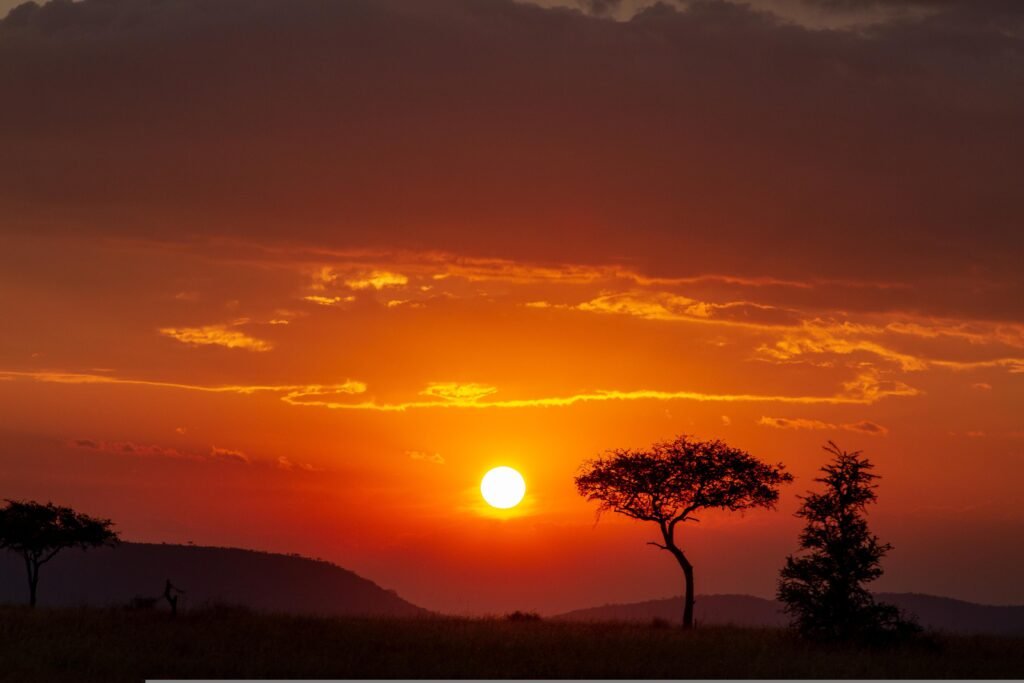
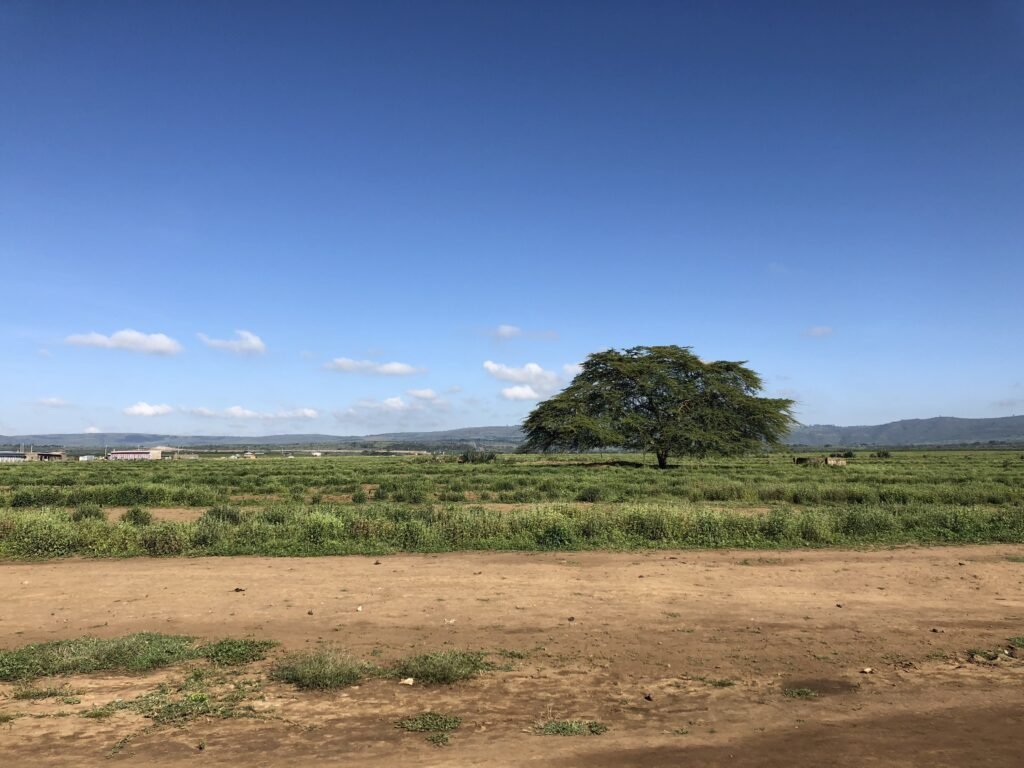
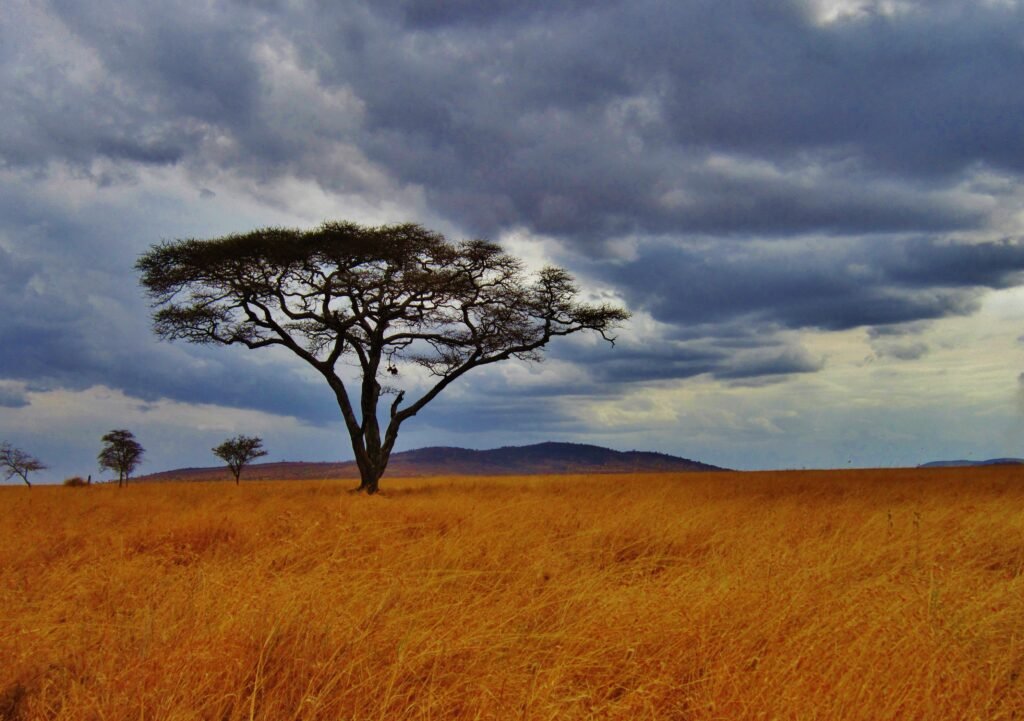
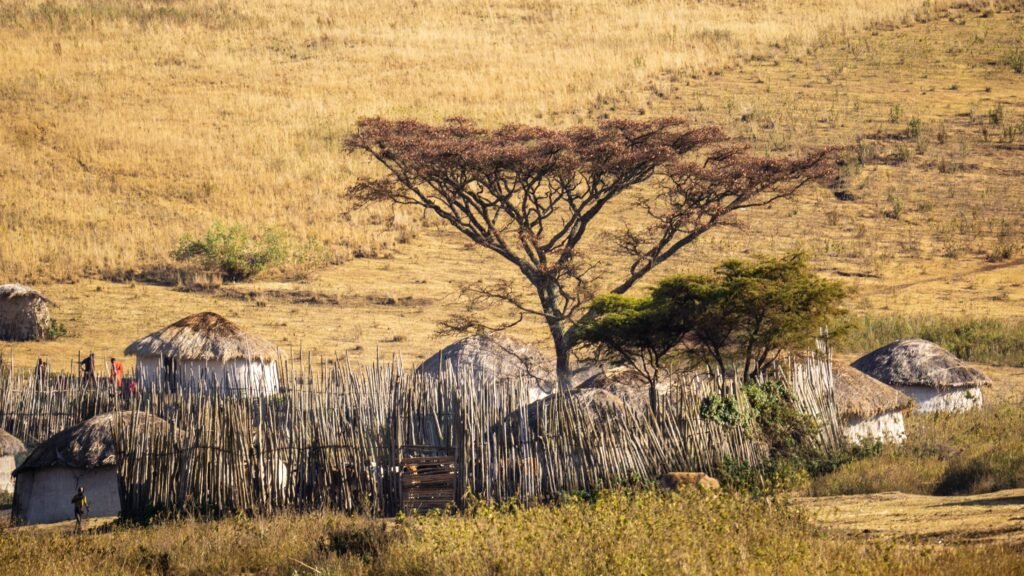
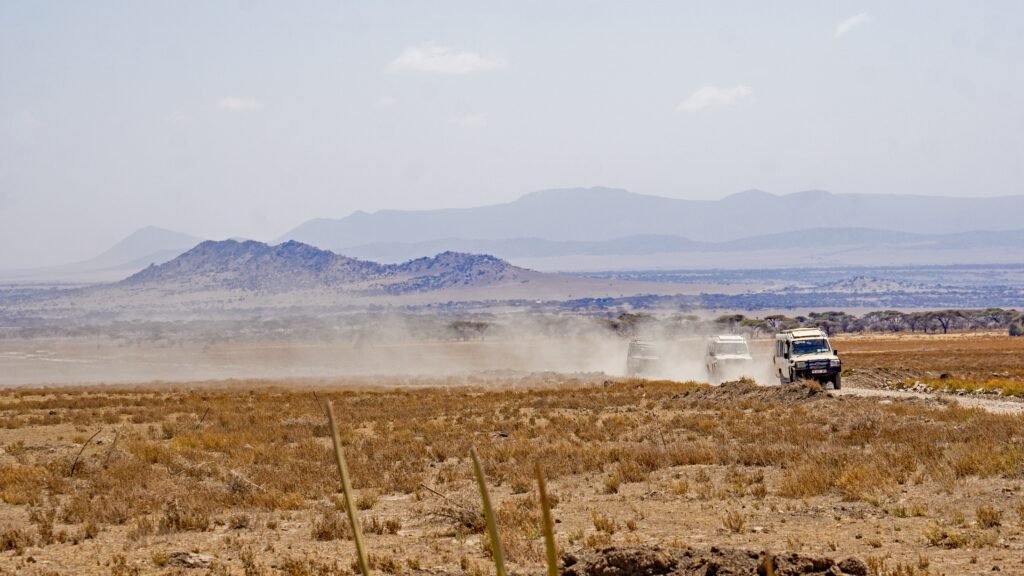
Although often thought of as endless grassland, Serengeti features a remarkable variety of habitats.
Endless Grasslands
The southern Serengeti is dominated by vast open plains that support enormous herds of grazing animals.
Savannah Woodlands
Scattered acacia trees provide shade and habitat for giraffes, elephants, and numerous bird species.
Granite Kopjes
Massive rocky outcrops called kopjes rise dramatically above the plains. These formations serve as lookout points for lions and shelter for reptiles and small mammals.
River Systems
Major rivers, including the Mara and Grumeti Rivers, provide water year-round and host crocodiles, hippos, and diverse aquatic life.
The Great Migration: Nature’s Greatest Wildlife Spectacle
The Great Migration is considered the largest land animal migration on Earth.
Each year, approximately:
- 1.5 million wildebeest
- 250,000 zebras
- 500,000 gazelles
travel nearly 1,000 kilometers in a continuous circular journey between Tanzania and Kenya.
Migration Calendar
December to March
- Southern Serengeti
- Calving season
- Thousands of baby wildebeest are born daily
April to May
- Central Serengeti
- Long migration begins
- Dramatic predator encounters
June to July
- Western Corridor
- Grumeti River crossings
- Large crocodiles await migrating herds
July to October
- Northern Serengeti
- Mara River crossings
- Most famous migration photographs are captured during this period
November
- Herds return south after seasonal rains.
Wildlife of Serengeti National Park
Serengeti is home to more than 70 large mammal species and over 500 bird species, making it one of the richest wildlife ecosystems in the world.
The Big Five
The famous Big Five include:
African Lion
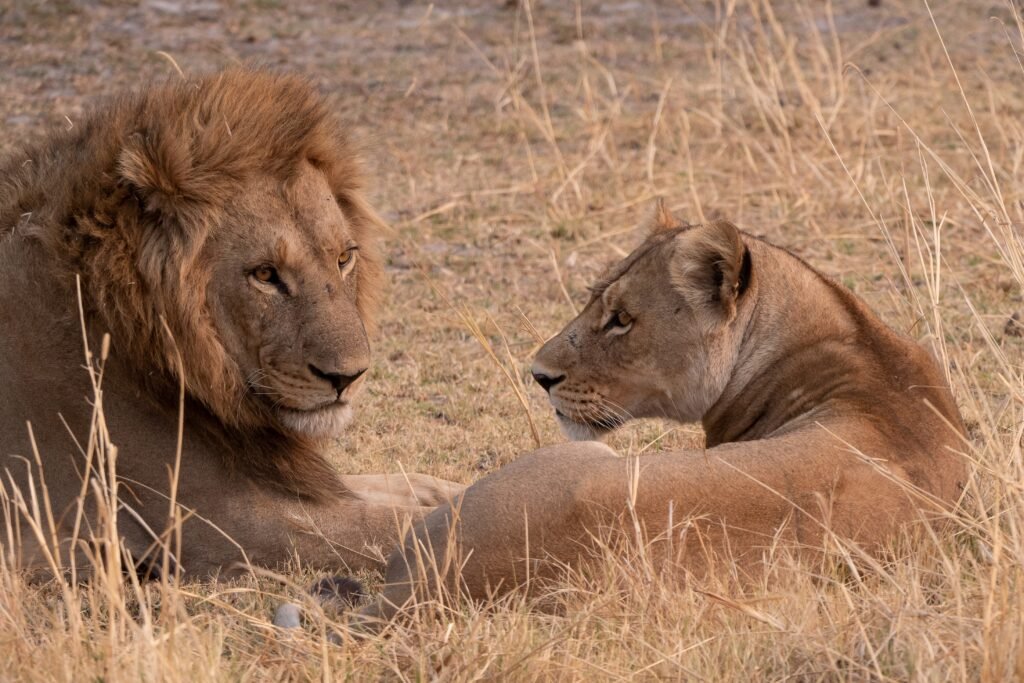
Serengeti has one of Africa’s largest lion populations, with more than 3,000 individuals living throughout the park.
African Elephant
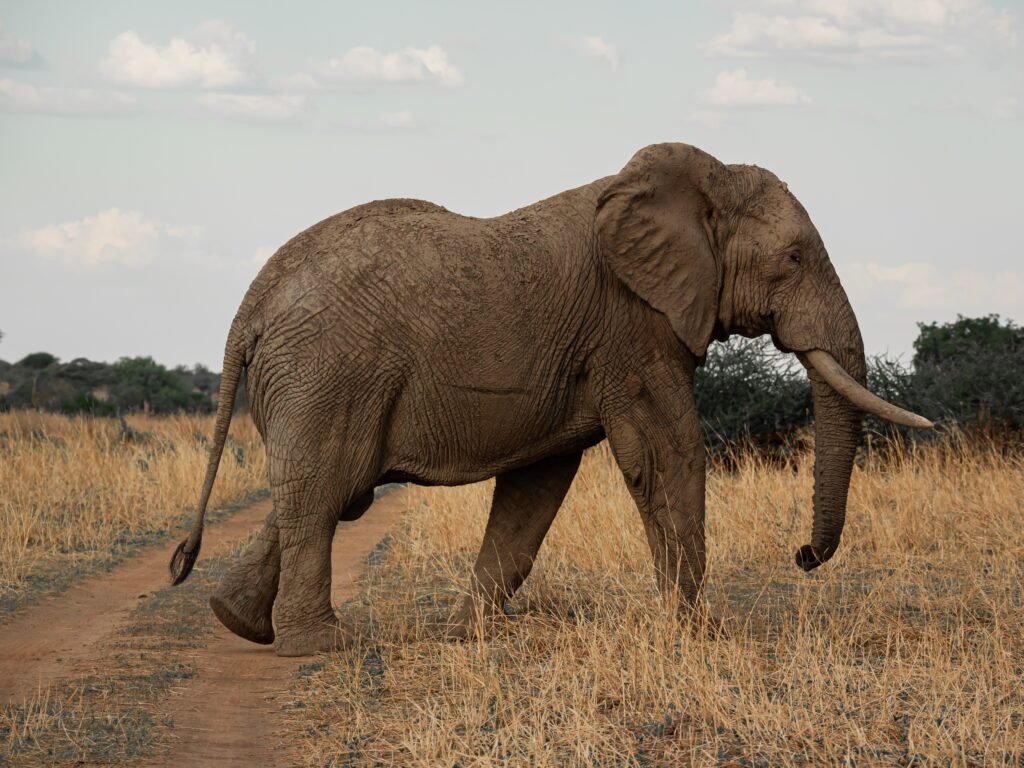
Large elephant herds roam woodlands and river valleys, often gathering near water during the dry season.
Leopard
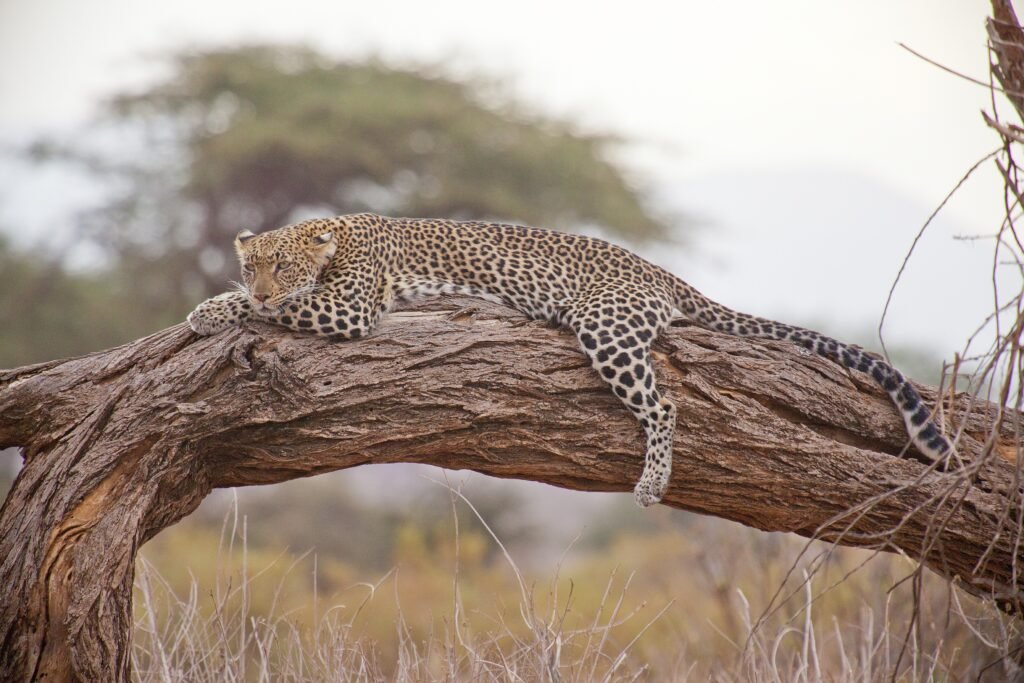
Leopards are elusive but are commonly spotted resting in acacia trees, particularly in central Serengeti.
Cape Buffalo
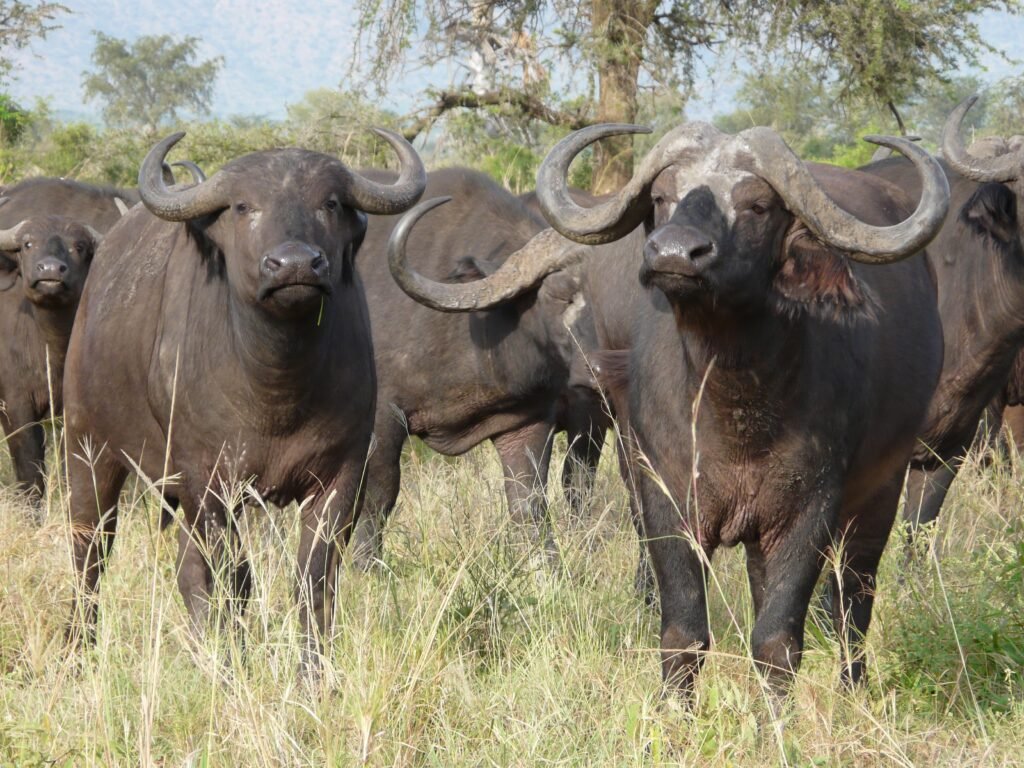
Massive buffalo herds can number in the hundreds and are among Africa’s most formidable herbivores.
Black Rhinoceros
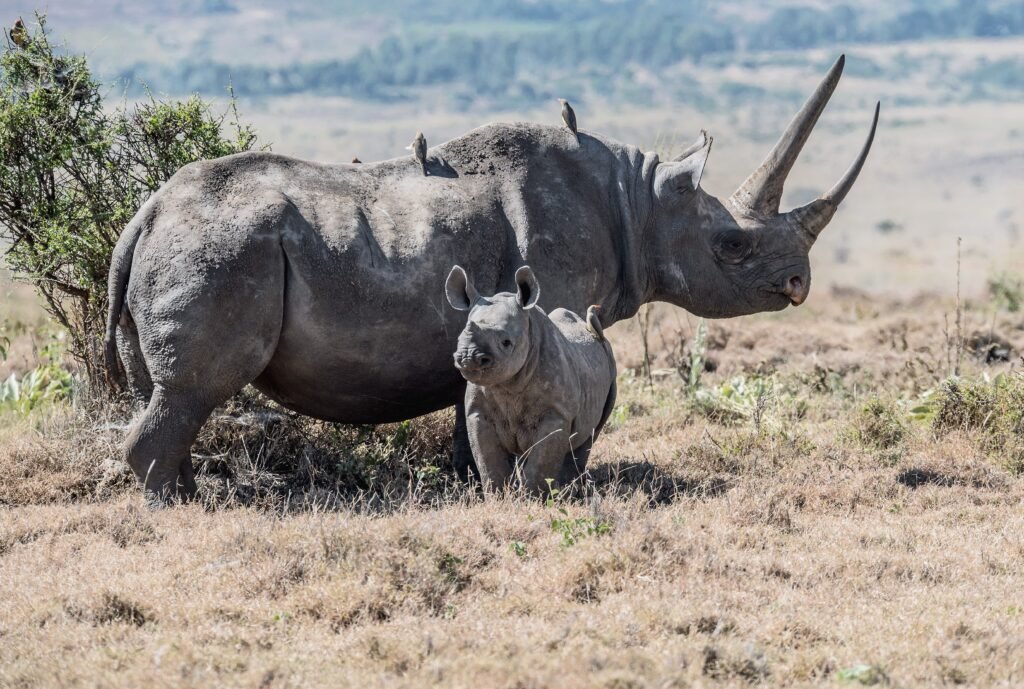
Although rare, black rhinos survive in protected areas within the Serengeti ecosystem thanks to intensive conservation efforts.
Other Mammals You Can See
Visitors may also encounter:
- Cheetahs
- Hyenas
- African wild dogs (rare)
- Jackals
- Bat-eared foxes
- Servals
- Caracals
- Hippos
- Nile crocodiles
- Giraffes
- Zebras
- Wildebeest
- Warthogs
- Impalas
- Topis
- Elands
- Waterbucks
- Dik-diks
- Bushbucks
- Reedbucks
- Oribis
- Baboons
- Vervet monkeys
Birdlife in Serengeti
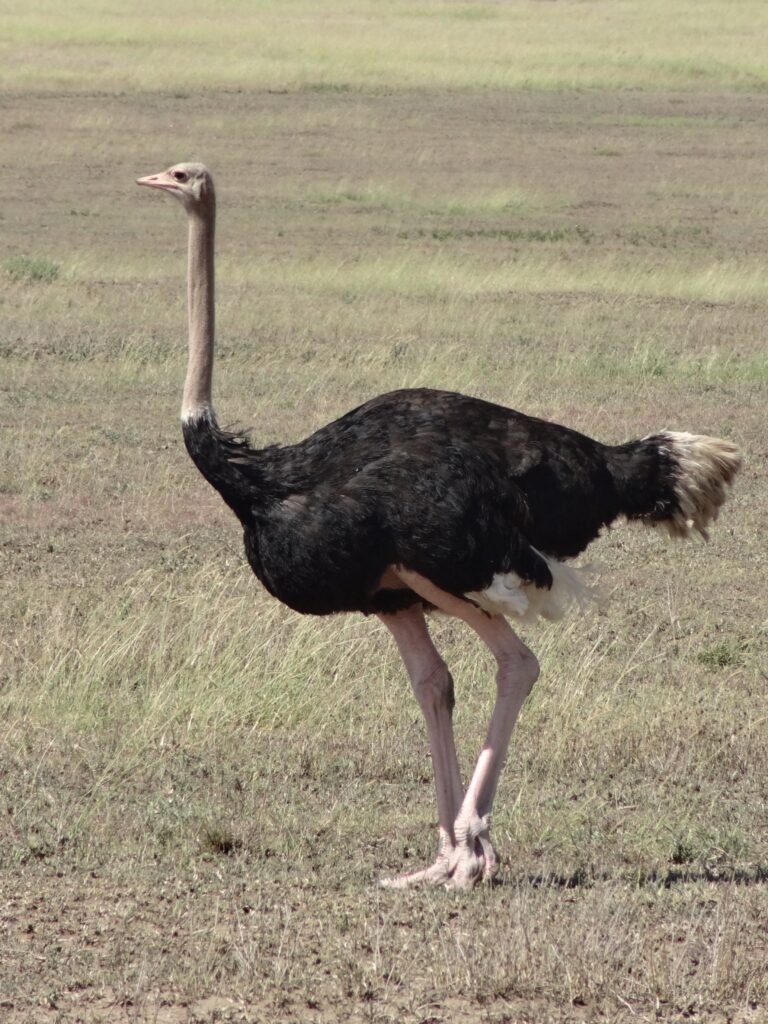
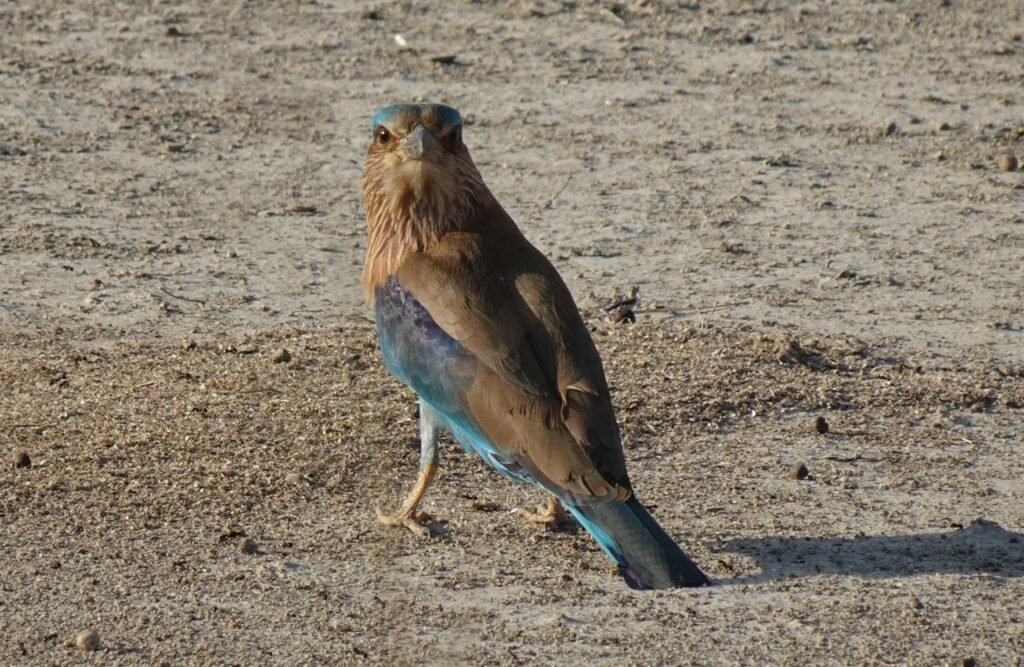
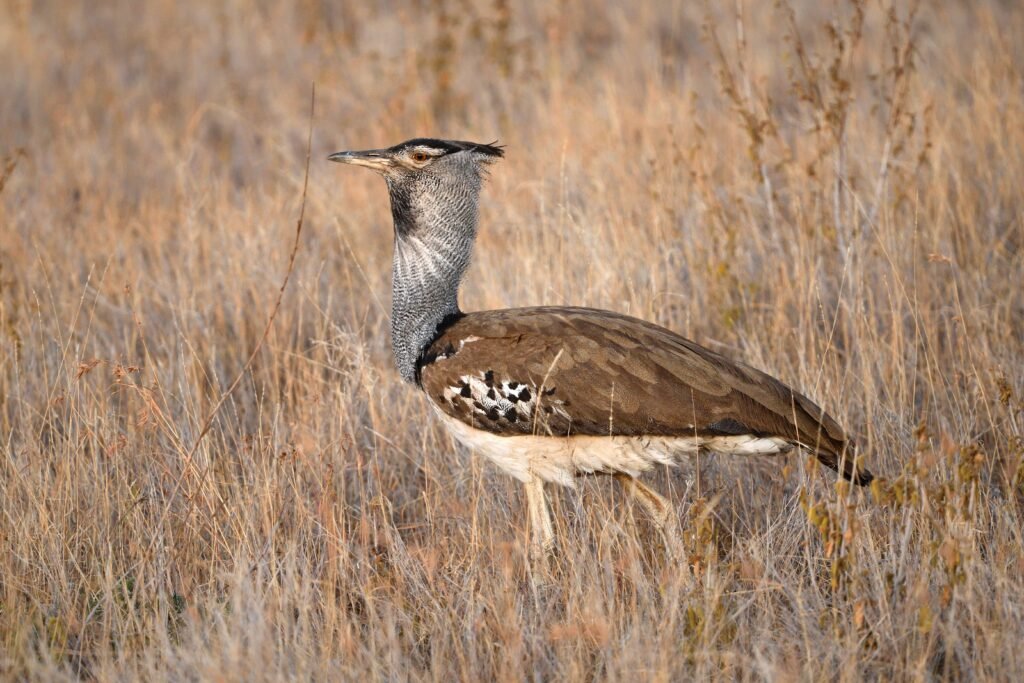
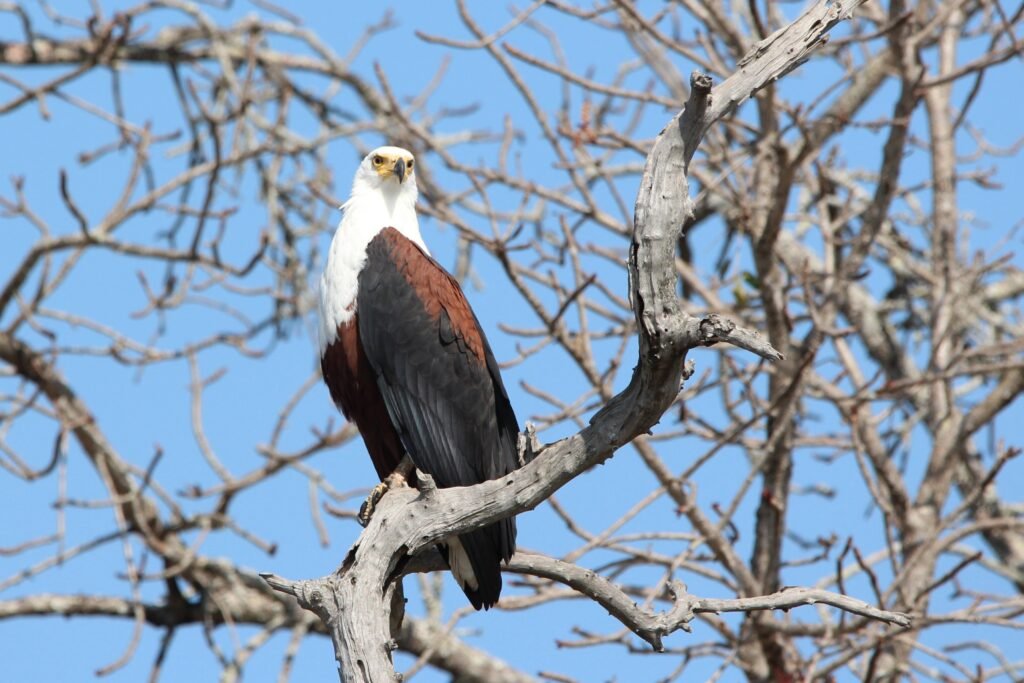
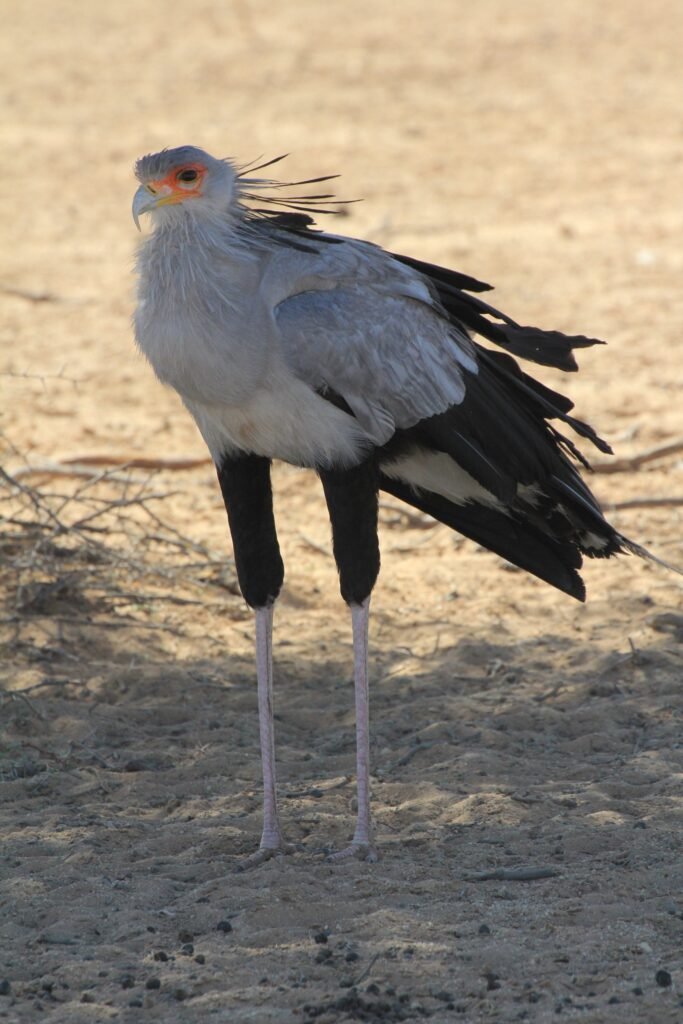
Bird enthusiasts can observe more than 500 species, including:
- Secretary birds
- Ostriches
- Lilac-breasted rollers
- Kori bustards
- Martial eagles
- African fish eagles
- Vultures
- Hornbills
- Flamingos (seasonally in nearby lakes)
- Crowned cranes
Top Attractions in Serengeti National Park
1. The Great Migration
The park’s biggest attraction and one of the world’s greatest natural events.
2. Seronera Valley
Known for excellent year-round wildlife viewing, this region is especially famous for lion, leopard, and cheetah sightings.
3. Mara River
The dramatic river crossings, where wildebeest brave strong currents and crocodiles, are among the most iconic safari experiences.
4. Grumeti River
Home to enormous Nile crocodiles and impressive hippo populations.
5. Moru Kopjes
These ancient granite formations attract lions, leopards, and a variety of birdlife. The area also contains Maasai rock paintings.
6. Retina Hippo Pool
A popular viewing area where dozens of hippos can be seen resting together in the water.
Safari Activities
Visitors can enjoy:
- Traditional game drives
- Sunrise and sunset safaris
- Hot air balloon safaris
- Guided walking safaris (in designated areas)
- Birdwatching tours
- Wildlife photography
- Cultural visits to Maasai communities
- Luxury mobile camping experiences
Best Time to Visit
June to October
The dry season offers:
- Easier wildlife spotting
- Pleasant temperatures
- Excellent predator sightings
- Peak safari conditions
December to March
Ideal for:
- Calving season
- Predator action
- Green landscapes
- Birdwatching
April and May
Known as the rainy season, visitor numbers are lower, prices may be more affordable, and the scenery is lush, though some roads can become difficult to access.
Climate
Serengeti enjoys a mild tropical climate due to its elevation.
Average temperatures:
- Daytime: 24–28°C (75–82°F)
- Nighttime: 14–18°C (57–64°F)
Rainfall occurs mainly:
- March to May
- November
Interesting Facts About Serengeti
- The Great Migration involves nearly two million animals, making it the largest terrestrial mammal migration on Earth.
- Serengeti has one of the highest concentrations of predators in Africa.
- Lions in the park often use granite kopjes as natural lookout points.
- Some giant crocodiles in the Mara and Grumeti Rivers have lived for many decades.
- The ecosystem has changed very little over millions of years, making it one of the best-preserved natural landscapes on the planet.
- The Serengeti ecosystem extends beyond the national park into several protected areas, covering roughly 30,000 square kilometers.
- More than 500 bird species have been recorded, making the park a premier destination for birdwatchers.
- Annual wildebeest calving in the southern plains results in hundreds of thousands of newborns over just a few weeks, attracting predators and creating remarkable wildlife viewing opportunities.
Tips for First-Time Visitors
If you’re planning your first Serengeti safari, these tips can help you make the most of your trip:
- Visit during the dry season (June to October) for easier wildlife viewing.
- Book accommodations well in advance if traveling during migration season.
- Bring binoculars and a camera with a zoom lens.
- Wear neutral-colored clothing to blend into the environment.
- Pack sunscreen, sunglasses, a hat, insect repellent, and a reusable water bottle.
- Dress in layers, as early mornings and evenings can be chilly.
- Follow your guide’s instructions and remain inside safari vehicles unless it’s safe and permitted to exit.
- Carry cash in Tanzanian shillings or U.S. dollars for tips and purchases in remote areas.
- Respect wildlife by maintaining a safe distance and avoiding loud noises.
Conservation and Responsible Tourism
Serengeti is protected through strong conservation programs that focus on preserving wildlife, combating poaching, and maintaining natural migration routes. Visitors can support these efforts by choosing responsible tour operators, minimizing waste, respecting park rules, and supporting local communities through ethical tourism initiatives.
Frequently Asked Questions
Is Serengeti National Park safe?
Yes. The park is considered safe for tourists when visiting with licensed guides and following park regulations.
How many days should you spend in Serengeti?
A stay of 3 to 5 days allows enough time to explore different regions and maximize wildlife sightings. Longer stays are ideal for photographers and those hoping to witness specific migration events.
Can you visit Serengeti year-round?
Yes. Wildlife can be seen throughout the year, although the location of migrating herds changes with the seasons.
What should I pack?
Essentials include comfortable clothing, sturdy walking shoes, a light jacket, sunscreen, insect repellent, binoculars, camera gear, medications, travel documents, and a power bank.
Is a hot air balloon safari worth it?
For many visitors, yes. Balloon safaris provide panoramic views of the plains at sunrise, followed by a bush breakfast, creating one of the most memorable experiences in the Serengeti.
Final Thoughts
Serengeti National Park is far more than a safari destination. It is one of the last great wilderness areas on Earth, where ancient ecosystems, extraordinary wildlife, and dramatic natural events continue to unfold as they have for millennia. Whether you’re hoping to witness the Great Migration, photograph the Big Five, or simply experience the beauty of Africa’s endless plains, the Serengeti offers an unforgettable journey into the heart of the wild. For first-time visitors, careful planning, respect for nature, and an adventurous spirit will ensure memories that last a lifetime.